Types of Comal

Explore Different Types of Comals

Not every comal works the same. Some are built for deep browning and heavy heat, others for quick weekday cooking or traditional flavour. On this page the Gutiérrez brothers walk you through the main types of comal pans so you can choose the right material and design for your stove, recipes and everyday cooking style.

Tap any card below to jump into a dedicated guide with detailed testing notes, pros and cons, and our recommended models for that comal type.
Tortilla comal on the stove

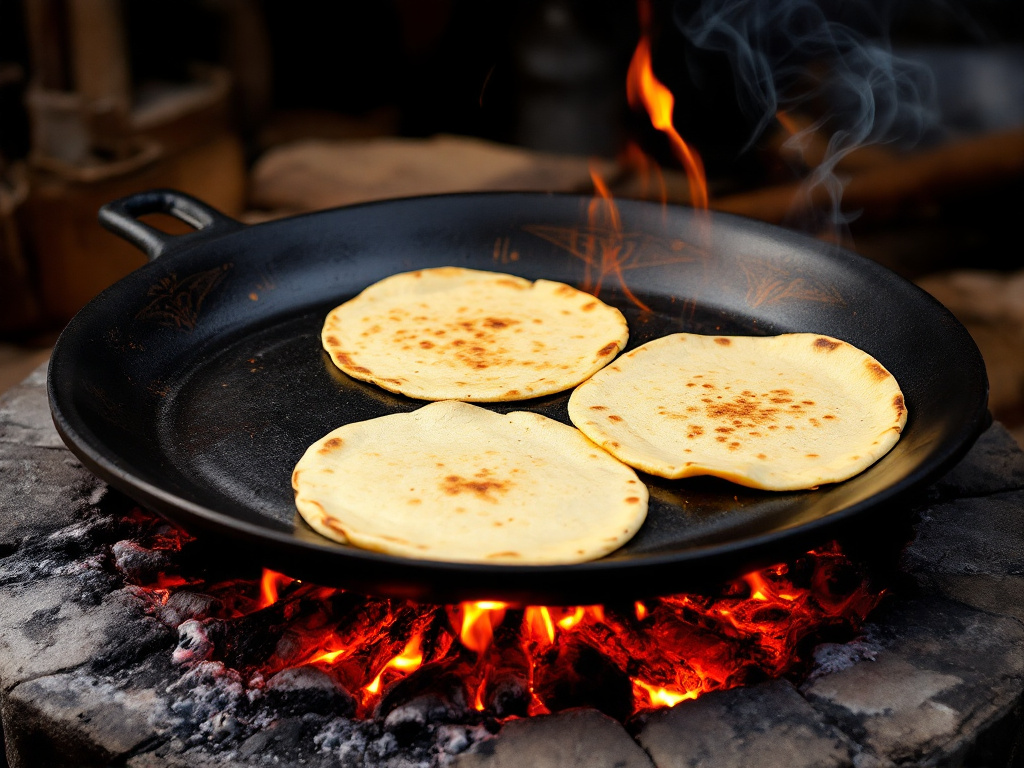
Tortilla Comal

A tortilla comal helps tortillas puff properly and pick up a light char without burning. Whether cast iron, carbon steel, clay or nonstick, it’s an essential everyday pan in many kitchens.
Traditional clay comal de barro

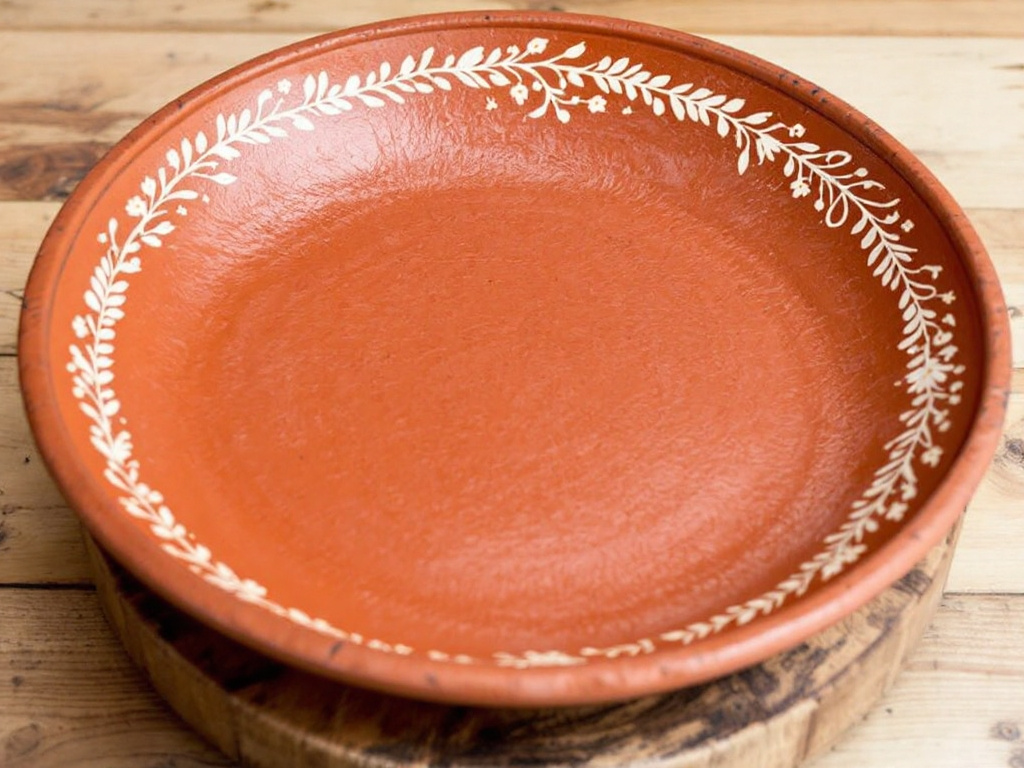
Comal de Barro

A comal de barro is a traditional clay pan offering gentle, even heat and a unique earthy flavour. Perfect for cooks who appreciate authentic Mexican cooking.
Cast iron comal

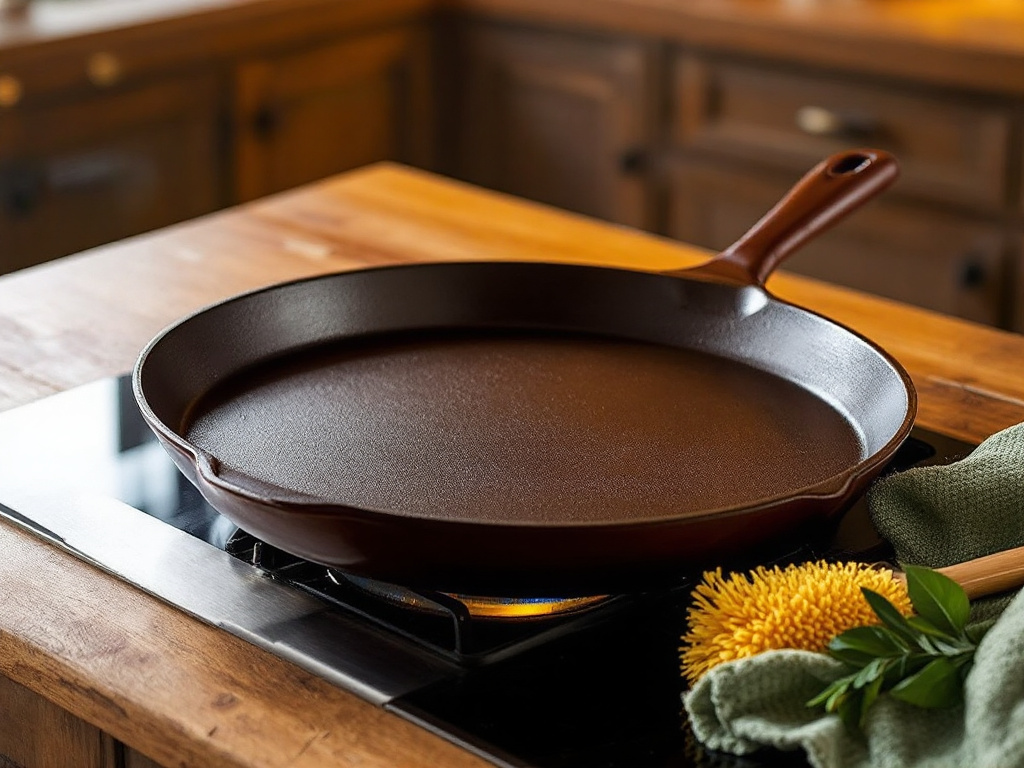
Cast Iron Comal

Cast iron comals hold heat extremely well and deliver deep browning. They’re ideal for tortillas, vegetables and searing with reliable, consistent results.
Carbon steel comal

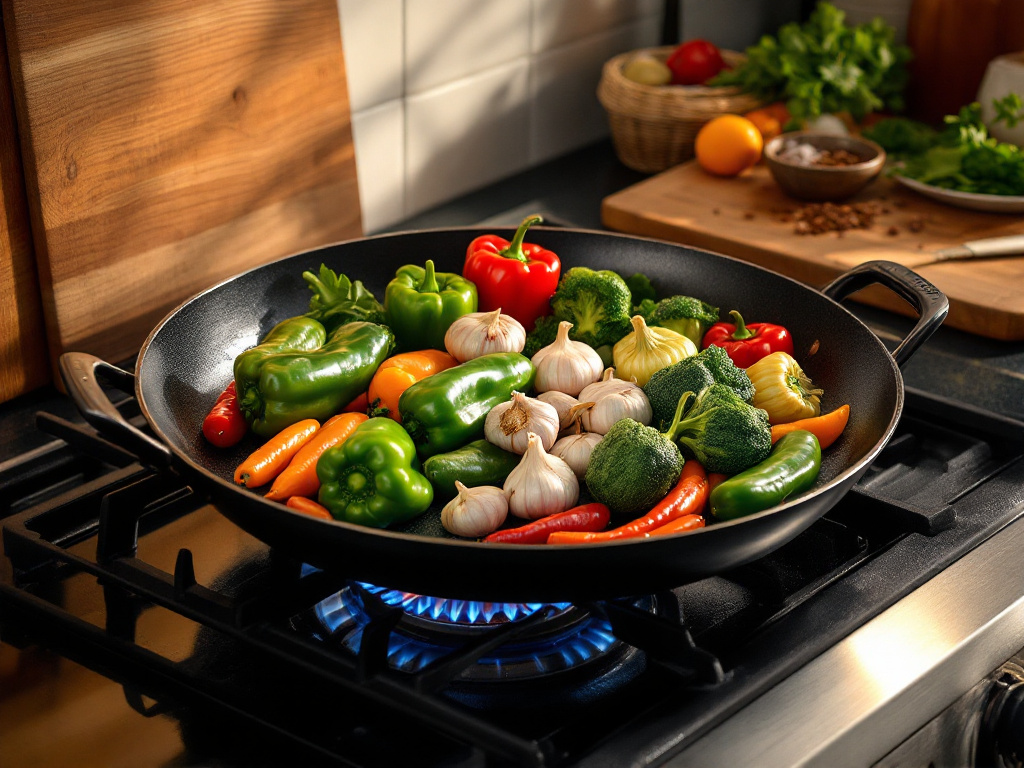
Carbon Steel Comal

A carbon steel comal is lighter than cast iron but still browns beautifully. Fast, responsive heating makes it perfect for modern stoves.
Teflon comal

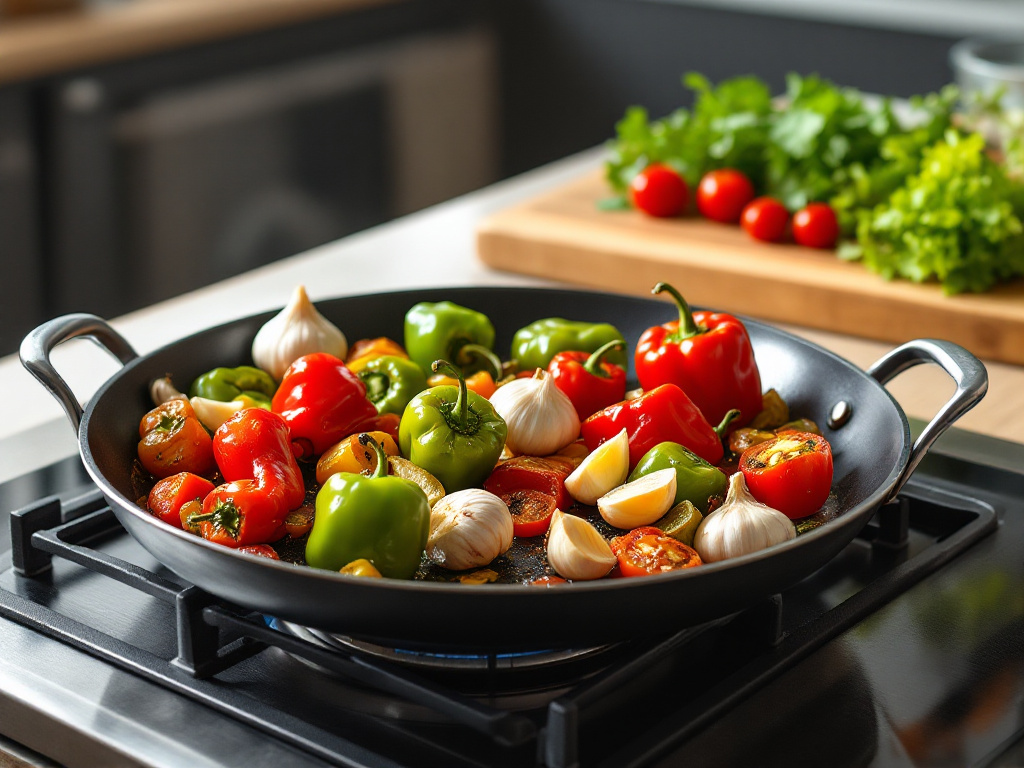
Comal de Teflón

A nonstick Teflon comal offers easy release and fast cleanup. Ideal for quick meals, eggs, tortillas and reheating without fuss.
Stainless steel comal

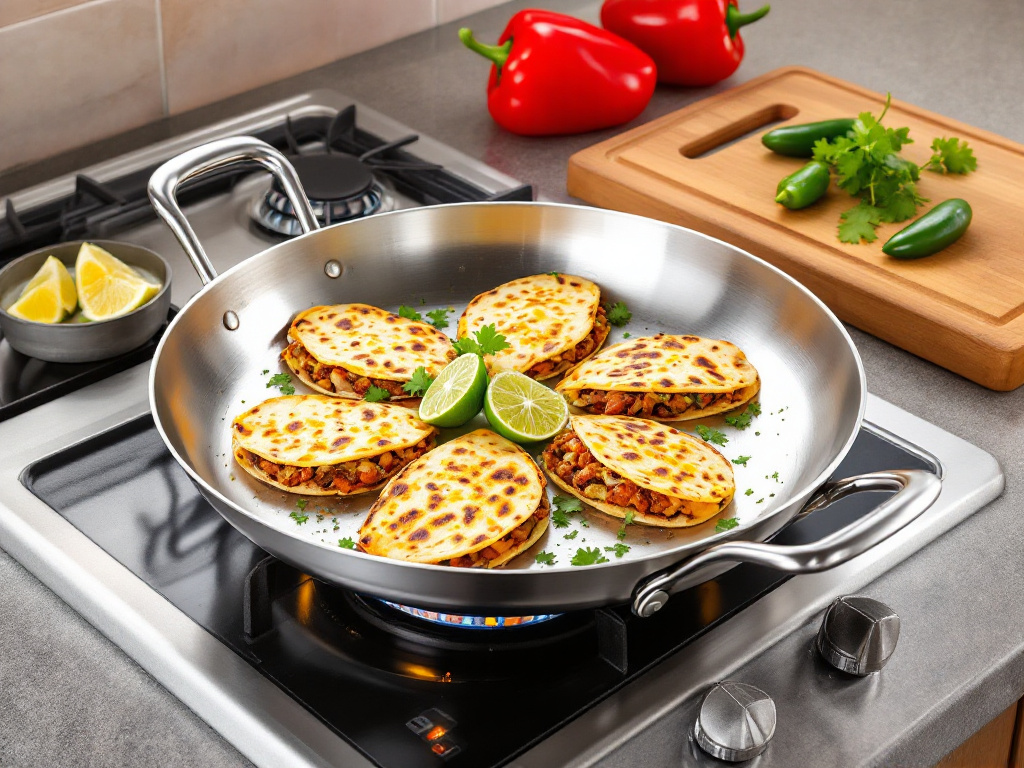
Stainless Steel Comal

Stainless steel comals are durable, non-reactive and easy to maintain. Great for cooks who want a modern, low-maintenance pan.

Taco Tony Gutiérrez – Master Chef and Lead Culinary Reviewer

Reviewed by

Taco Tony Gutiérrez

Master Chef & Lead Culinary Reviewer

Last reviewed: March 2026

This overview of different types of comal pans is updated whenever we revisit our testing or add new guides for materials like cast iron, clay, carbon steel, nonstick and stainless steel.

Professional Manufacturing Standards

Material Gauge (Thickness) Standard professional comals utilize 10 to 12-gauge carbon steel. This thickness is critical to prevent thermal warping at high temperatures (>450°F) and ensures uniform heat distribution across the radius.
Surface Emissivity Carbonized surfaces (seasoned cast iron/steel) achieve high emissivity, allowing for efficient infrared heat transfer, which is essential for the rapid "puffing" of a traditional corn tortilla.
Thermal Expansion Coefficient Our selected models are tested for low thermal expansion to maintain a precision-flat cooking surface, preventing "oil pooling" and ensuring direct contact conduction.
Safety Compliance All clay (Barro) models are certified lead-free (Sin Plomo), adhering to modern safety standards while preserving ancestral porous-ceramic heat properties.

Types of Comal FAQ

Quick answers to common questions people ask when choosing between different types of comal.
Which type of comal is best for beginners?

For most beginners, a nonstick or carbon steel comal is the easiest place to start. Nonstick makes cleanup simple, while carbon steel offers more traditional browning with a bit of seasoning.

What if I have a glass-top or induction stove?

For glass-top or induction stoves, a flat-bottom cast iron, carbon steel or stainless steel comal usually works best. Always check that the pan is compatible with your cooktop type before buying.

Do I need more than one comal?

Many home cooks use just one everyday tortilla comal. Enthusiasts often keep two: a heavy-duty cast iron or carbon steel comal for serious browning and a lighter nonstick or clay comal for quick tortillas and delicate foods.

Scroll to Top